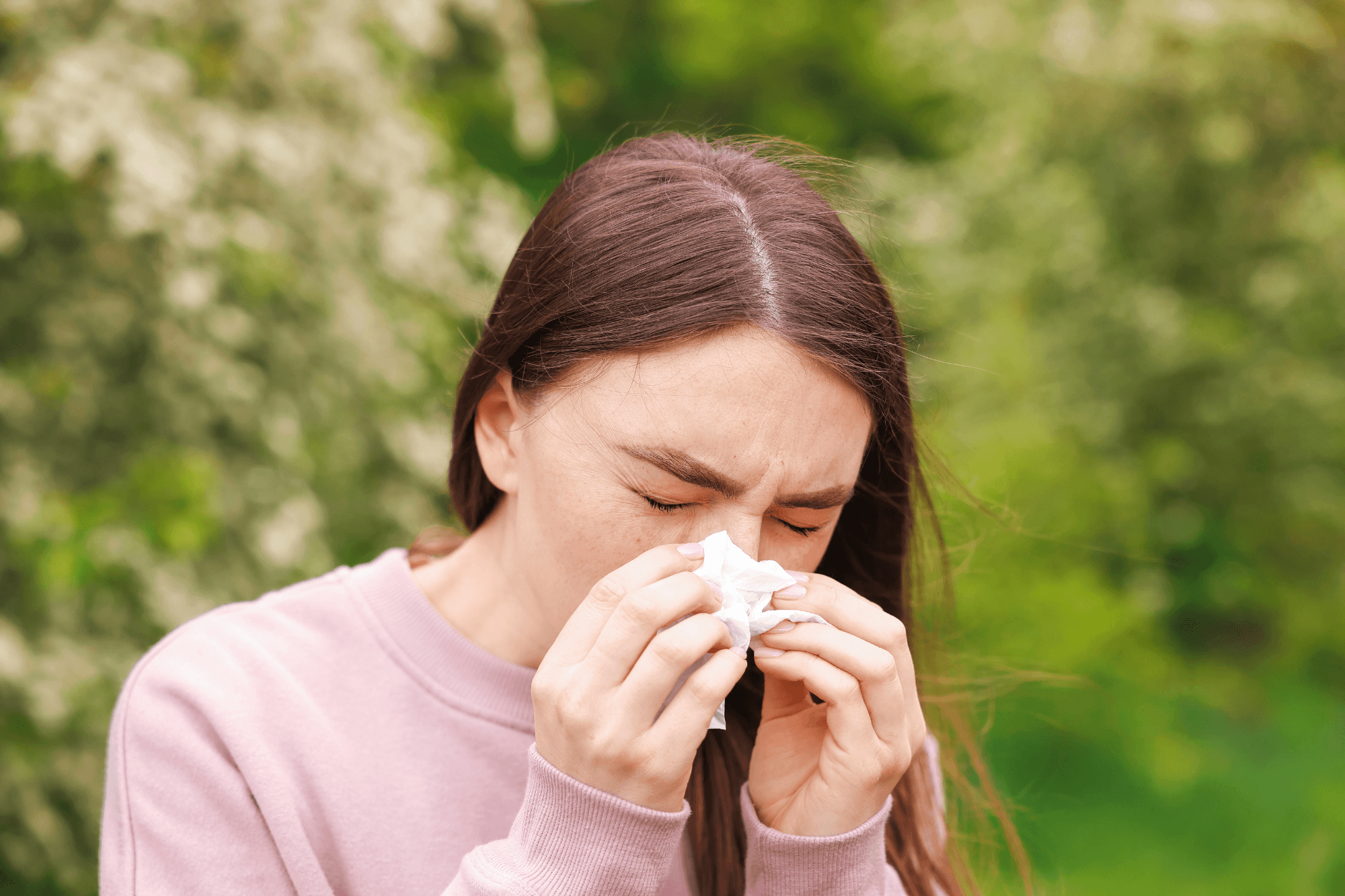
Pollen Survival Guide: Breathe Easy This Season
Spring is beautiful, but for many of us, it arrives with a side of itchy eyes, endless sneezing, and that heavy "foggy" feeling in the head. If you feel like you’re at war with the air outside, you’re not alone. Here is everything you need to know about navigating allergy season, from the science of the sneeze to practical tips for your home and family.
Why is My Body Reacting?
Think of your immune system as a highly trained security guard. Its job is to keep out dangerous invaders like viruses. However, for people with allergies, that security guard is a bit too sensitive.
When pollen - the tiny dust trees and flowers use to grow - enters your nose or eyes, your body treats it like a major threat. It releases a chemical called histamine. This is what causes the swelling, the mucus, and the itching. It’s your body’s way of trying to "wash out" the intruder.
Know Your Enemy: The Pollen Calendar
Not all pollen is the same. Depending on the month, a different plant might be the culprit:
- Tree Pollen (Feb–May): This is usually the yellow dust you see on your car. Oak, Pine, and Birch are the big hitters here.
- Grass Pollen (May–July): If you feel worse after the lawn is mowed, this is likely why.
- Weed Pollen (Aug–Oct): Ragweed is the king of fall allergies, affecting millions as the weather starts to cool.
Allergy Care for Every Age
Allergies don't care how old you are, but the way we treat them changes as we grow.
For the Kids
Children often can't explain that their head hurts or their throat is itchy. Look for the "Allergic Salute"—when a child constantly rubs their nose upward with the palm of their hand. To help them:
- Wash their hands and face the moment they come in from the playground.
- Keep their stuffed animals clean, as these can trap pollen.
- Always talk to a provider before starting kids on adult-strength meds.
For Busy Adults
You have a job to do, and "allergy brain fog" makes it hard to focus.
- The Pro Tip: Take your allergy medicine before you feel bad. If you know late March is your "danger zone," start your routine in early March to build up a barrier.
For Our Seniors
As we get older, we have to be careful about how allergy meds interact with other prescriptions (like blood pressure or heart medication).
- Avoid "Drowsy" Meds: Older antihistamines can cause confusion or dizziness. Stick to the modern, "non-drowsy" options and always double-check with your SEMG doctor.
Make Your Home a Safe Zone
You can’t control the air outside, but you can control the air in your living room.
Close the Windows
It’s tempting to let in the breeze, but that breeze is carrying millions of pollen spores. Keep windows shut and use your AC. It has filters that act as a shield for your home.
The "Entryway Protocol"
Pollen is a hitchhiker. It sticks to your hair, your clothes, and your pets.
- Shower at Night: If you shower in the morning, you’re bringing all the day's pollen into your bed and rubbing it into your pillow.
- Wipe Your Pets: Use a damp towel to wipe down your dog’s fur and paws after a walk.
Food as Medicine
What you eat can actually help dampen the "fire" of inflammation in your body.
- Vitamin C: Think of it as a natural, mild antihistamine. Oranges, peppers, and strawberries are great choices.
- Healthy Fats: Salmon and walnuts help reduce the swelling in your nasal passages.
- Stay Hydrated: Water thins out mucus, making it much easier for your body to clear out the pollen you’ve inhaled.
When Should You Call Us?
Sometimes, a "little allergy" turns into something more. It’s time to visit a primary care doctor near you and book an appointment if:
- You have a fever: Allergies do not cause fevers. If you’re running hot, it’s likely an infection.
- Your "cold" won't go away: If you’ve been "sick" for more than two weeks, it’s probably allergies.
- OTC meds aren't working: If you’re taking pills every day and still feel miserable, you might need a prescription-strength plan or allergy testing.
Simple Daily Habits for Relief
- Check the Count: Use a weather app to check the pollen count before you head out. If it’s "Extreme," try to stay indoors during the morning hours (when pollen is highest).
- Wear Shades: Sunglasses act like a windshield for your eyes.
- Saline Rinses: Using a simple saline spray can wash the pollen directly out of your nose before it has a chance to cause a reaction.
We’re Here to Help
Don't let the weather keep you from living your life. Whether you need a simple consultation or a long-term plan to kick allergies for good, the team at Southeast Medical Group is ready to help you breathe easy again.
Frequently Asked Questions About Pollen and Allergies
Since both cause a runny nose and sneezing, it’s easy to get them confused. The biggest giveaway is itchiness. If your eyes, nose, or throat feel itchy, it’s likely allergies. Also, keep an eye on the duration: a cold usually wraps up in 7 to 10 days, but allergies will stick around as long as the pollen is in the air. Finally, allergies never cause a fever—so if you’re running a temperature, it’s time to check in with a doctor.