Eating For A Healthier Colon: How Nutrition Supports Prevention
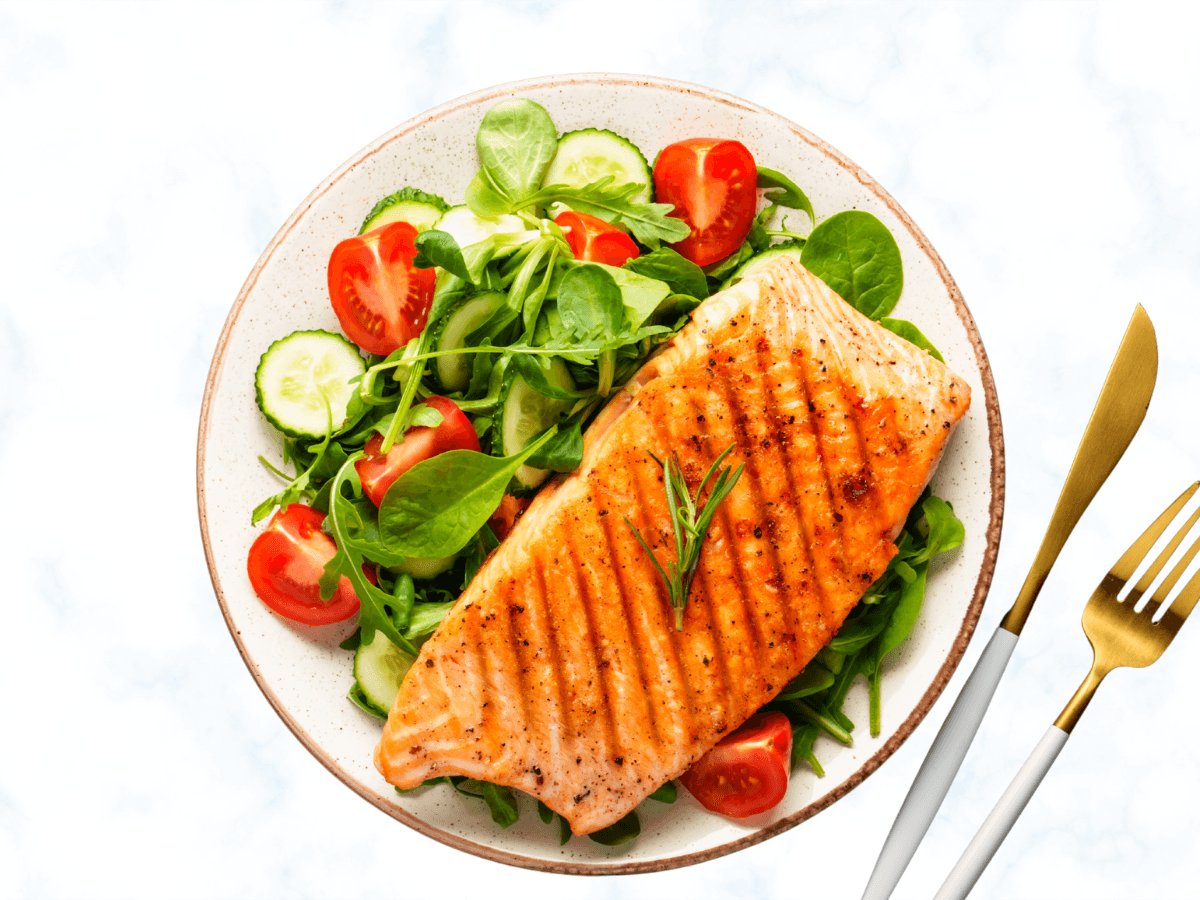
Eating for a Healthier Colon: How Nutrition Supports Prevention
Colon health often does not get much attention until something feels wrong. The choices we make every day, especially when it comes to diet and nutrition, play an important role in keeping the digestive system healthy.
“Many patients are surprised to learn how closely diet is connected to colon health,” says Judith Currie, FNP-C, a provider with Southeast Medical Group. “Small changes in what you eat can support better digestion, healthier gut bacteria, and long-term wellness.”
While nutrition alone cannot prevent every case of colorectal cancer, research shows that certain dietary patterns can influence risk. Combined with recommended screening and regular primary care visits, healthy nutrition habits are an important part of prevention.
Why Diet Matters for Colon Health
The colon plays a key role in digestion. It helps absorb water, process waste, and support the body’s gut microbiome, which is the community of bacteria that lives in the digestive tract.
Diet influences this environment in several ways:
- It affects how food moves through the digestive system
- It helps nourish beneficial gut bacteria
- It influences inflammation and metabolic health
Over time, these factors contribute to overall colon health. Diets that include more whole foods and fiber have been associated with lower colorectal cancer risk. Diets high in processed foods and processed meats have been linked to higher risk.
Nutrients That Support a Healthy Colon
A balanced diet can support digestion and help maintain a healthier colon environment. A few nutrients are particularly important.
Fiber
Fiber helps move food through the digestive tract and supports beneficial gut bacteria. It may also help reduce inflammation in the colon.
High-fiber foods include:
- Fruits such as berries and apples
- Vegetables such as broccoli, carrots, and leafy greens
- Beans and lentils
- Whole grains such as oats, brown rice, and whole-grain bread
Most adults benefit from increasing fiber intake gradually while also drinking plenty of water.
Antioxidants
Antioxidants help protect cells from damage. Fruits and vegetables are rich sources of vitamins and plant compounds that support overall digestive health.
Examples include:
- Berries
- Tomatoes
- Spinach and kale
- Sweet potatoes
Eating a variety of colorful produce helps provide a wide range of beneficial nutrients.
Calcium and Vitamin D
Research suggests calcium and vitamin D may play a role in colon health. These nutrients support normal cell function and overall digestive wellness.
Common sources include:
- Dairy products such as milk and yogurt
- Fortified plant-based milks
- Leafy greens
- Fatty fish such as salmon
Foods to Enjoy in Moderation
A healthy diet does not require eliminating entire food groups, but moderation can be helpful.
Health organizations recommend limiting:
- Processed meats such as bacon, sausage, and deli meats
- Highly processed foods that are low in fiber and high in added sugars or refined grains
These foods can still fit into a balanced diet, but focusing more often on whole foods supports better digestive health.
The Gut Microbiome and Colon Health
Inside the colon lives a complex ecosystem of bacteria known as the gut microbiome. These microorganisms help digest certain foods, produce beneficial compounds, and support immune function.
Diet plays a major role in shaping the microbiome. Fiber-rich foods help feed beneficial bacteria, which in turn produce compounds that support colon health.
Eating a variety of plant-based foods such as vegetables, fruits, legumes, and whole grains can help maintain a diverse and balanced microbiome.
Healthy Nutrition Is Only One Part of Prevention
While diet plays a meaningful role in colon health, it is important to remember that screening remains one of the most effective ways to detect colorectal cancer early or prevent it by finding precancerous polyps.
Most adults at average risk should begin colorectal cancer screening at age 45. Some people may need to start earlier depending on their personal or family history.
“Healthy habits like balanced nutrition, physical activity, and regular checkups all work together,” says Judith Currie, FNP-C. “Screening is an important part of protecting your long-term health.”
Supporting Your Colon Health
A few simple habits can support better digestive health:
- Eat more fiber-rich foods such as fruits, vegetables, beans, and whole grains
- Include a variety of colorful produce in your meals
- Choose lean proteins and plant-based options more often
- Limit processed meats and highly processed foods
- Stay up-to-date with recommended colorectal cancer screening
If you have questions about colon health, digestive symptoms, or screening recommendations, the next step is simple.
Scheduling Your Consultation
Schedule a consultation with your preferred Southeast Medical Group provider to discuss your personal risk factors, nutrition habits, and screening recommendations.